

Why Flat Entrance Doors Need FD30 Fire Rating — And What That Means for You
- 23 February 2026
- News
Why Flat Entrance Doors Need FD30 Fire Rating — And What That Means for You
When it comes to fire safety in flats, one of the most misunderstood topics in residential renovation and property management is fire-resistant doors. Many homeowners, freeholders, and managing agents assume a standard PVC or composite door is enough — but in multi-occupied buildings such as flats, that simply isn’t the case.
What the Law Actually Says About Fire Doors in Flats
Under current UK fire safety regulations and building standards, in most blocks of flats, entrance doors opening onto communal corridors are required to achieve at least FD30 fire resistance — commonly called an FD30 door.
These requirements stem from:
-
Building Regulations Approved Document B — which sets out the fire safety standards for residential buildings
- Scottish Building Standards – Section 2 (Fire)
-
The Regulatory Reform (Fire Safety) Order 2005 — which places responsibilities on the “responsible person” to ensure fire safety measures are in place
The key legal point is this: the entrance door to every flat that opens onto a shared stairwell, corridor, or communal area must be a fire-resisting door with at least 30 minutes’ protection.
This is not just recommended — it’s effectively law for modern buildings and strongly enforced for existing blocks where fire risk assessments identify a need.
What Is an FD30 Fire Door (and FD30S)?
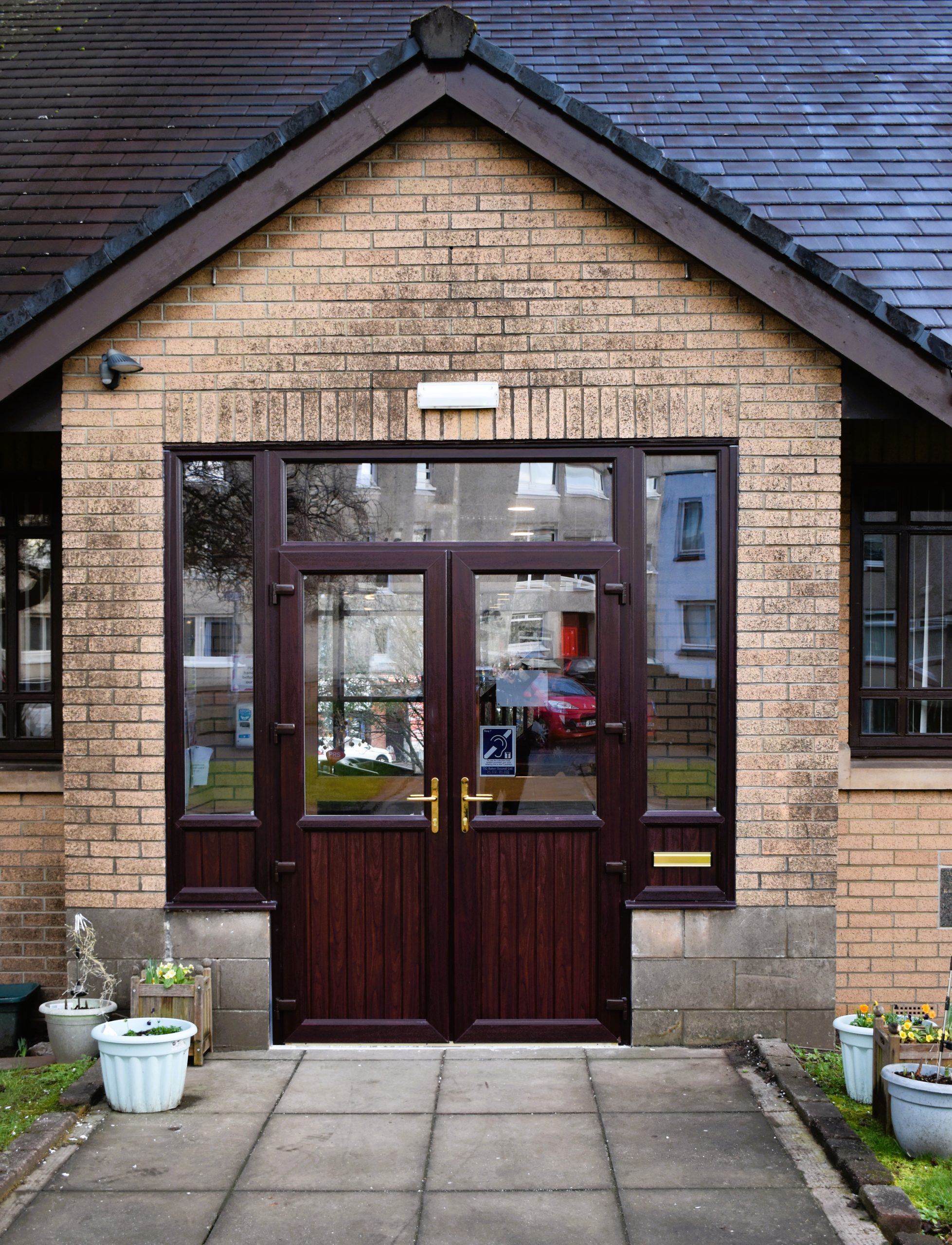
FD30 Door Layouts
An FD30 fire door is a door assembly that is independently tested and certified to resist the passage of fire for at least 30 minutes. The rating reflects the door’s ability to:
-
Prevent fire spread for at least half an hour
-
Resist heat and flame penetration
-
Maintain integrity across the whole door assembly — including frame, seals and hardware
In many cases, you will see doors described as FD30S — the “S” indicates that the door set also includes smoke control features, such as cold smoke seals. Smoke control is often a requirement for flat entrance doors and gives an added layer of safety.
A compliant FD30 door is a fully tested doorset, not simply a fire-rated slab fitted into an existing frame.
Why does this matter? Simply hanging a fire-rated leaf in an ordinary frame often invalidates the fire performance because the entire tested door assembly is no longer intact.
Why FD30 Doors Are Essential in Flats
The main purpose of an FD30 fire door is to provide a protected escape route in the event of a fire. If a flat door fails to provide at least 30 minutes’ resistance, flames and smoke can spread into communal escape routes — putting residents on other floors or in neighbouring flats at risk.
Fire doors also often need:
-
A self-closing device so the door closes automatically
-
Smoke seals to prevent smoke entering corridors
-
Fire-rated locks and ironmongery
Without these elements, the door may not perform as expected under fire conditions.
Common myths about FD30 doors:
-
“My composite door is solid, so it must be fire rated.”
-
“If the building is old, the rules don’t apply.”
-
“You can just add seals to make a door fire rated.”
None of these statements are true.
How Much Do FD30 Fire Doors Cost Compared to Regular Doors?
One of the biggest surprises for many people is how much more an FD30 fire door can cost compared with a typical PVC or composite entrance door.
Typical non-fire-rated doors:
-
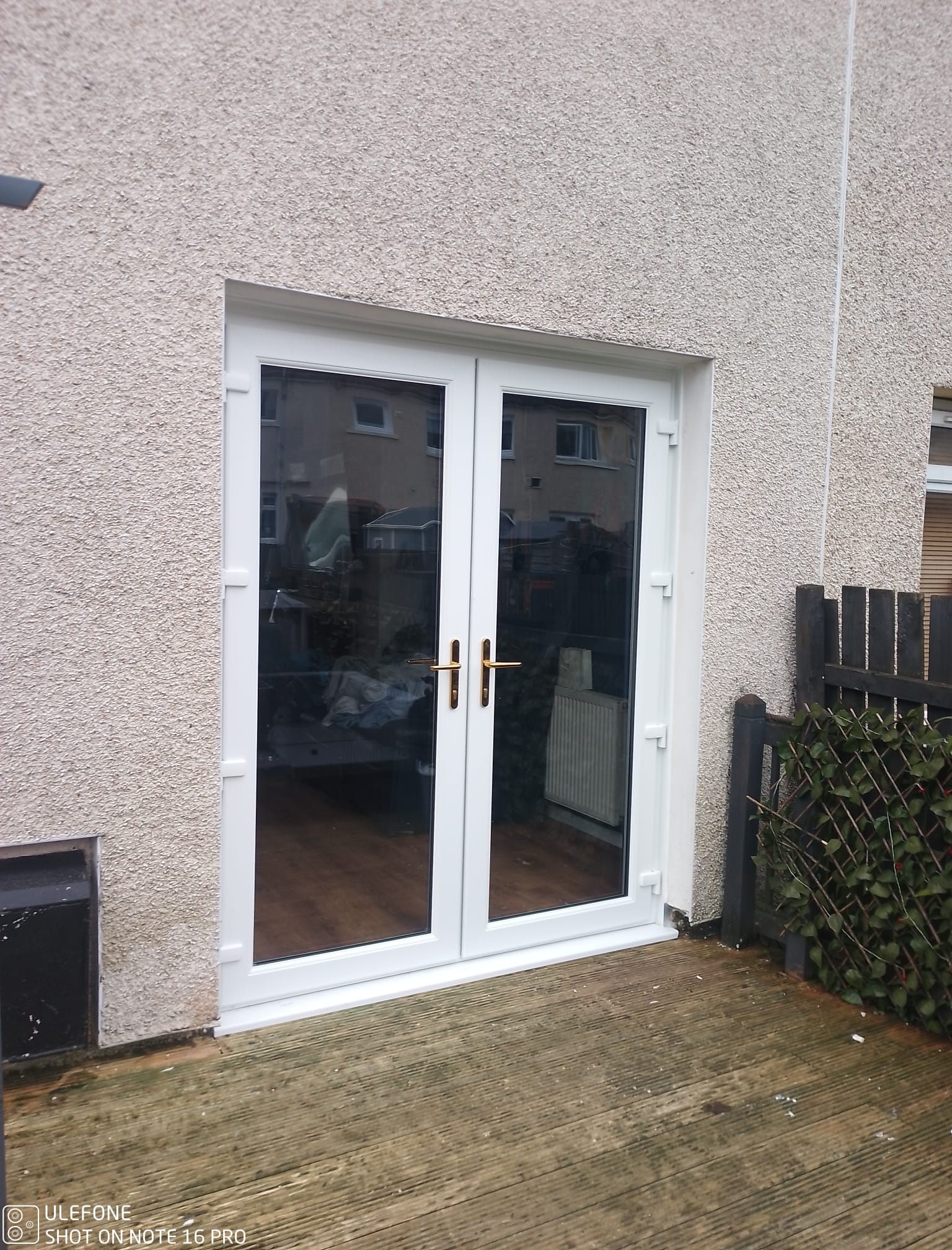
Standard uPVC door (supplied and fitted): often £1,000 – £1,3000
These doors look great, but they are not fire-resisting and will not provide the safety or compliance needed where regulations apply.
FD30 fire-rated doors (composite or certified doorsets):
-
Supply and installation for a flat entrance door can start around £1,600–£2,500 including VAT for a complete FD30 or FD30S doorset fitted in a block of flats.
-
Higher-end or externally rated FD30S doors, or doors with additional glazed panels and bespoke finishes, can cost more.
Remember:
✔ FD30 doors include fire performance certification
✔ They come with tested frames, intumescent seals and closers
✔ The whole assembly is fire-tested — not just the door leaf
Why are FD30 Doors More Expensive?
-
Certification testing
-
Intumescent glazing systems
-
Self-closer requirements
-
Installation tolerances
-
Third-party certification (e.g. BM Trada / Certifire)
This makes them inherently more expensive — but also much safer and compliant.
Does Everyone Need an FD30 Door?
It depends on a few factors — such as:
-
Whether the flat opens onto a communal area or directly outside
-
Whether the flat sits in a building above 4.5 metres in height
-
What the building’s fire risk assessment recommends
But the safest assumption for blocks of flats is that an FD30 fire door at each flat entrance is standard practice and normally required unless a detailed fire strategy states otherwise.
In Summary
✅ FD30 fire doors are a legal and safety requirement for flat entrance doors that open onto shared escape routes
✅ They are tested and certified to resist fire for at least 30 minutes
✅ A compliant FD30 door is significantly more expensive than a typical PVC or composite door — but for good reason
✅ All components of the door assembly must be fire-rated and correctly installed
Installing compliant fire doors is not just about ticking a box for regulations — it’s about protecting lives and limiting fire spread in shared residential buildings.
We only install an FD30s fire door system which has proven consistently to pass the bi-directional fire resistance test, satisfying the UK’s National Test standards as well as the demanding European test standard EN1634 for fire door safety.
Available for both internal and external use, our FDS fire door system is suitable for various applications including reactive maintenance, refurbishment projects and new build developments.
View the brochure here.
Alternatively Visit our showroom in Clydebank. Or request a free no-obligation quote online.